

Not many years ago, the idea of Artificial Intelligence (AI) felt like a realm confined to sci-fi movies—a creative, imaginative fantasy. Fast forward to today, and AI has stepped out of fiction into reality, evolving as one of the most transformative technologies of our time. From smart assistants like Alexa and Siri answering queries to autonomous vehicles on the road, AI is no longer a distant dream but a profound part of our daily lives.
AI or Artificial Intelligence is a fascinating term that, in simple words, implies mimicking the intelligence humans possess. Over time, AI has gradually penetrated our lives, and with its immense capabilities, it holds the power to revolutionize every sector. One such sector where it can make a significant impact is education.
In the world of education, this "magic wand" has the potential to redefine how we teach, learn, and interact with knowledge. By mimicking human intelligence, AI can enhance our capabilities and bridge the gaps in traditional learning systems. Globally, its transformative power has been recognized, with organizations like UNESCO emphasizing the responsible and inclusive use of AI to ensure equitable access to education for all. It is believed that AI can address the challenges faced by the education sector while promoting inclusivity and equity.
The approach UNESCO advocates is one where AI amplifies and augments human abilities. This ensures that AI acts as a bridge to bring technological benefits to everyone, rather than creating disparities or widening existing gaps.
When properly incorporated and utilized, AI can truly revolutionize learning. With its capabilities, it acts as an intelligent tool to enhance teaching and learning experiences overall. Thinking of it as a solution-oriented tool, AI can address challenges in education by creating innovative and unique approaches that transform the educational experience.
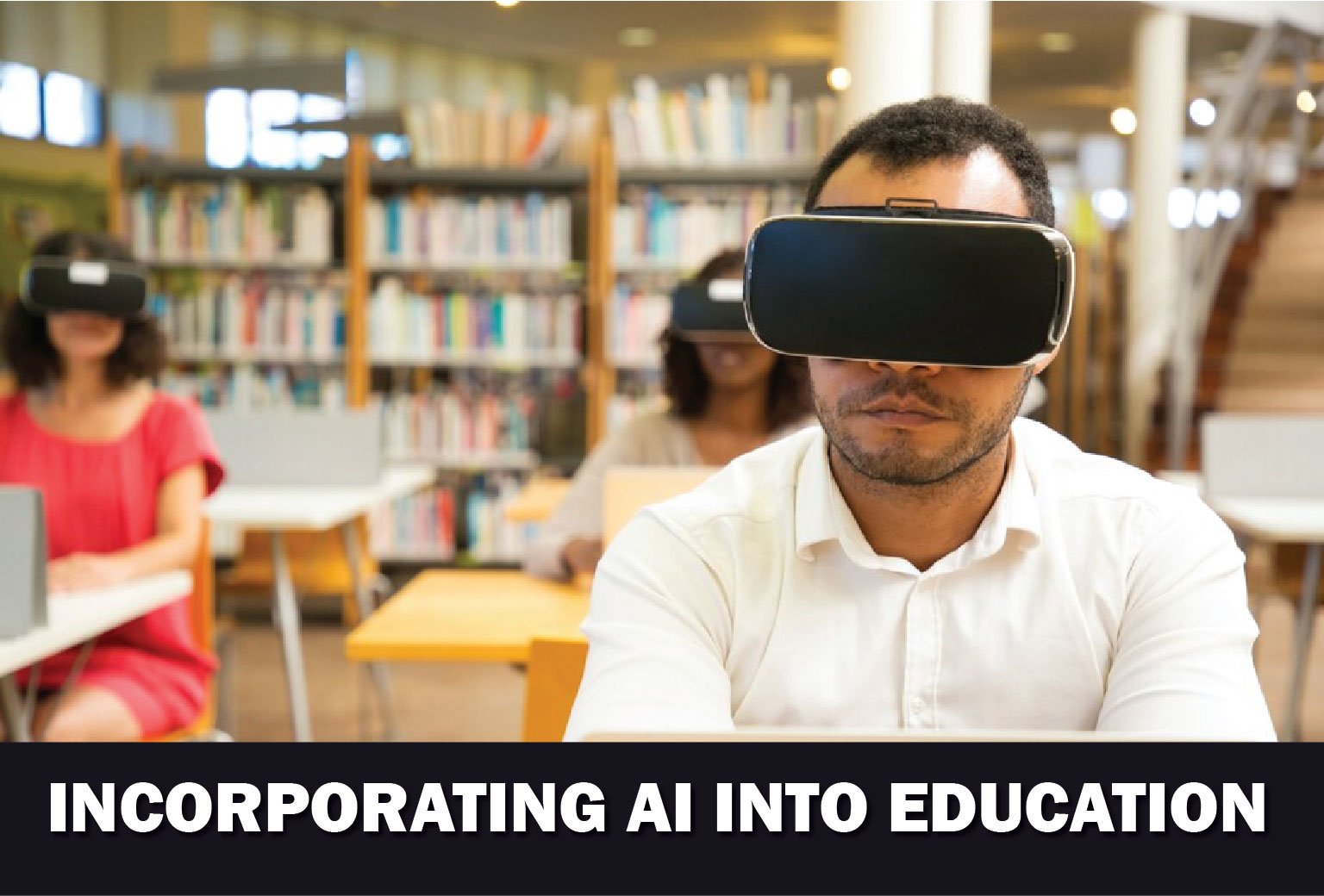
The main question, however, is how we can integrate AI into our education system effectively. The answer lies in two approaches:
- Tapping into AI tools: to customize and tailor learning to individual needs.
- Understanding the technology : itself and equipping learners with the necessary knowledge and skills to use it effectively.
The journey of implementing AI in education is not without challenges. Issues like the digital divide, data privacy concerns, and equitable access to technology pose significant hurdles that may detract from its primary objectives. However, the time is ripe to address these obstacles. With proper planning, collaboration, and resources, education can truly be revolutionized.
It is imperative for all stakeholders in the education ecosystem to unite and create a collaborative environment where AI not only amplifies human potential but also prepares the next generation to excel in a rapidly advancing technological landscape. By getting this right, we can lay the groundwork for a brighter, innovative, and equitable future. Let’s strive to maximize learning experiences and equip students with the skills they need to thrive in tomorrow’s world.


